

Why Is Texas Getting So Much Hail? A Look at the Recent Storms in San Antonio

7018892985 • June 1, 2025

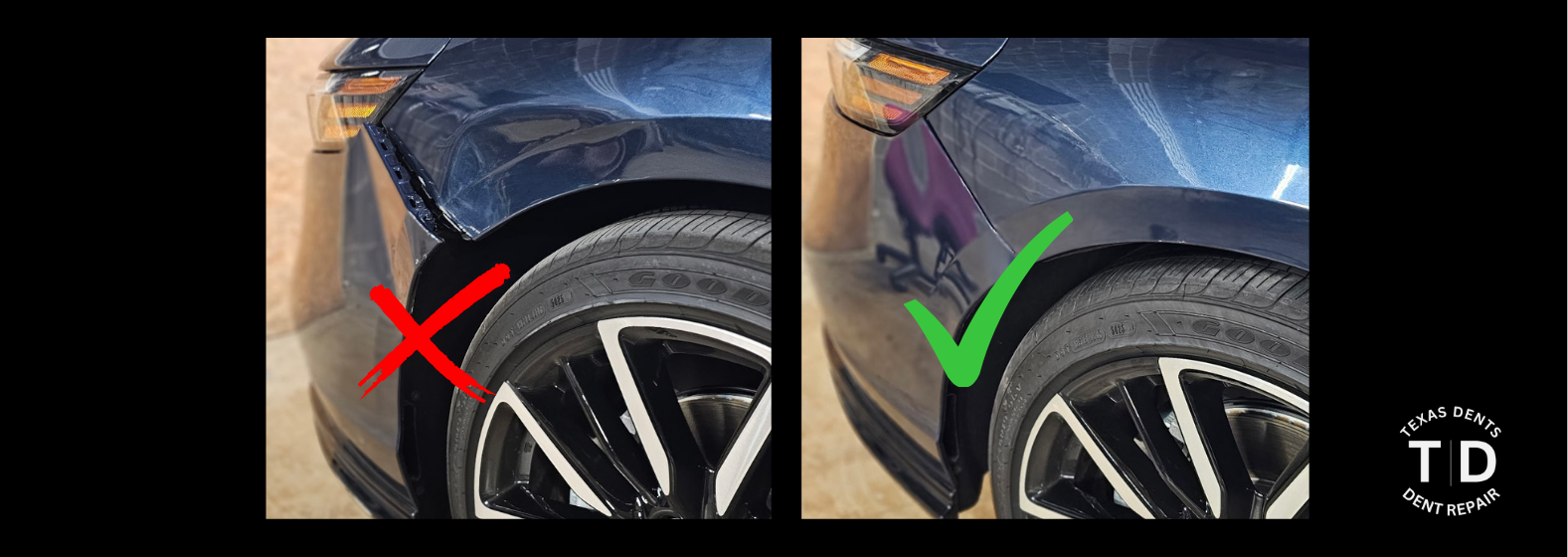
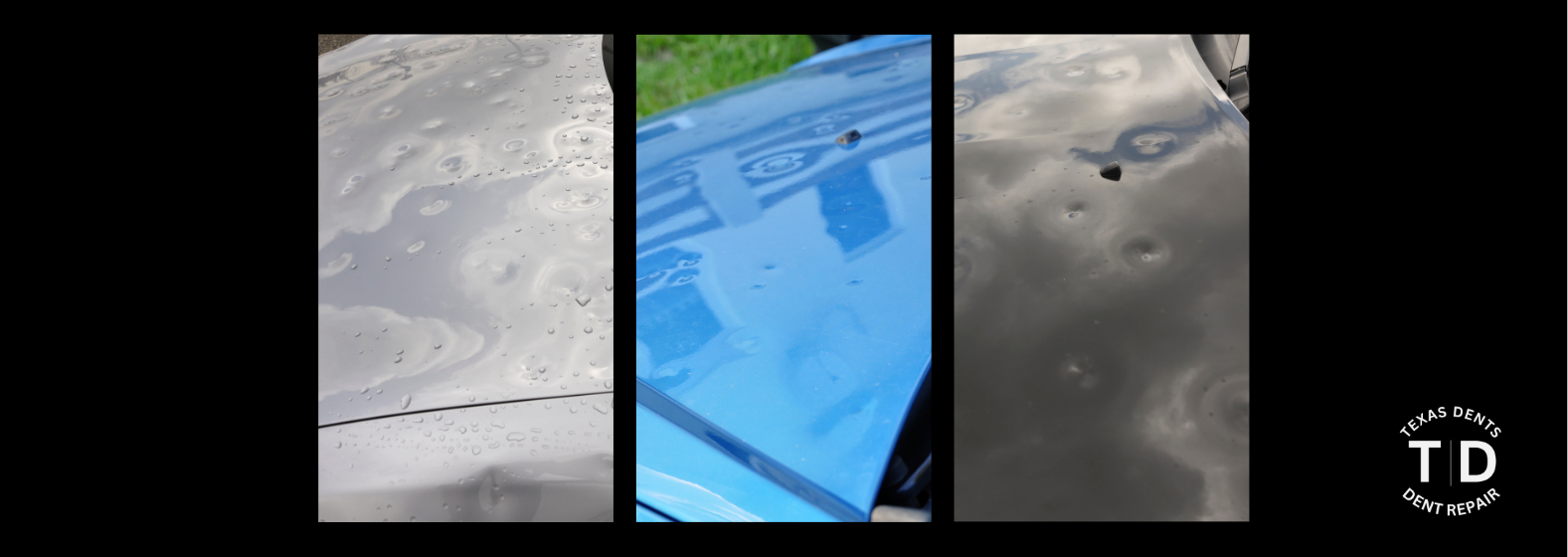
If you're dealing with hail damage in San Antonio, you aren't alone

If you've been in San Antonio or Central Texas lately, you've likely experienced the intense hailstorms that have swept through the region. From golf ball-sized hail to torrential rains and flash floods, the weather has been anything but typical. But why is this happening, and what does it mean for Texans?

Why Is Hail So Common in Texas?
Texas, especially Central Texas, is a hotspot for hail due to its unique geography and climate. The state sits at the crossroads of warm, moist air from the Gulf of Mexico and cooler, dry air from the north and west. When these air masses collide, they create the perfect conditions for severe thunderstorms and hail. 

What Is Hail?
Hail forms within powerful thunderstorms, particularly those with strong updrafts. These updrafts carry water droplets high into the atmosphere, where temperatures are below freezing. The droplets freeze and can collide with additional supercooled water, growing larger with each cycle. Eventually, the hailstones become too heavy for the updrafts to support, and they fall to the ground. 

How Hail Forms: A Deeper Look
Hail is a type of solid precipitation that forms in powerful thunderstorm clouds, specifically in cumulonimbus clouds. These towering clouds contain strong updrafts—vertical currents of rising air—that are critical to the hail-making process.

Here’s how hail formation works step by step:

Supercooled Water
Inside the thunderstorm, there are water droplets that remain in liquid form even though temperatures are below freezing. These are known as supercooled droplets.

Initial Ice Nucleus
A dust particle or another ice crystal provides a nucleus for freezing. A supercooled droplet freezes onto it, forming a tiny ice pellet.

Updrafts Lift the Pellet
The storm’s powerful updrafts can be as strong as 100 mph or more. These updrafts keep the ice pellet aloft, suspending it in the coldest parts of the cloud.

Layering Process
As the pellet is tossed around by turbulent winds, it collides with more supercooled water droplets. These droplets freeze on contact, allowing the hailstone to grow in layers—much like an onion.

Falling to Earth
When the hailstone becomes too heavy for the updraft to support, it falls to the ground. The size of the hailstone depends on how long it was kept aloft and how much supercooled water it accumulated.

Small hailstones (pea-sized) indicate weaker updrafts or shorter storm duration.

Large hailstones (golf ball to baseball-sized or more) mean strong, long-lasting updrafts and abundant moisture.

The strongest storms that produce large hail are called supercells, which have a rotating updraft known as a mesocyclone. These storms are also the ones that can generate tornadoes.

How Storms Move Across the U.S. in May and June
During late spring and early summer, the U.S. experiences a sharp contrast in air masses. This seasonal collision zone creates ideal conditions for severe weather.

Jet Stream Influence
A fast-moving ribbon of air known as the jet stream guides storm systems across the country. In May and June, the jet stream typically dips south into the central and southern U.S., creating a corridor for storm systems to travel from west to east.

Rocky Mountains Effect
Storms often develop in the lee of the Rockies, where dry, descending air from the mountains meets moist air from the Gulf of Mexico. This convergence can ignite powerful thunderstorms.

Storm Tracks
Storms born in Colorado, New Mexico, or the Texas Panhandle often move east or northeast across the Plains, impacting Oklahoma, Texas, Arkansas, and further into the Midwest.

What Happens When Big Storms Reach Texas?
When large weather systems reach Texas, several factors come into play:

Gulf Moisture Fuel
Texas’s proximity to the Gulf of Mexico means an abundant supply of warm, moist air. This fuels thunderstorms, making them more intense and more likely to produce hail, high winds, and heavy rainfall.

Flat Terrain
The lack of significant terrain barriers in much of Central and South Texas allows storms to strengthen as they move through.

Dryline Interactions
A dryline—separating moist Gulf air from drier West Texas air—often sits across Central Texas. This boundary acts like a trigger, sparking severe storms during the afternoon and evening.

Urban Heat Island Effect
In cities like San Antonio and Austin, the heat retained by pavement and buildings can increase convection and instability, further intensifying storm activity.

Because of these variables, Texas often sees the “worst” of a storm system—large hail, damaging winds, flash flooding, and sometimes tornadoes—especially when storms hit in peak hail season.

What Kind of Summer Weather Is Expected in Central Texas in 2025?
While seasonal forecasts can be uncertain, meteorologists use a combination of climate models, ocean temperature trends, and jet stream patterns to make informed predictions. Here's what experts are expecting this summer in Central Texas:

Hotter-Than-Average Temperatures
NOAA’s seasonal outlook is forecasting above-average temperatures across Texas for June through August 2025.

A possible El Niño weakening phase may reduce rain chances, leading to drier, hotter conditions in late summer.

Expect frequent triple-digit days and persistent heat waves, especially in July and August.

Above-Average Storm Activity Through June
The first half of the summer (especially June) may still see above-average storm activity, with frequent hail-producing storms and flash flooding risk.

The recent trend of slow-moving, moisture-rich systems could continue, keeping flash flooding a concern in already saturated areas like San Antonio.

Lingering Drought Pressure
Despite heavy May rains, drought conditions in some parts of Texas, including portions of Central Texas, persist due to aquifer depletion and inconsistent rainfall.

Even if short-term rains alleviate surface dryness, long-term water concerns will remain unless summer rainfall increases significantly.

Watch for Early Tropical Activity
Hurricane season officially begins June 1, and although most Gulf storms form later in the season (August–September), early activity can’t be ruled out.

Even a tropical depression or wave from the Gulf can bring soaking rain to Central Texas, which might either provide relief—or cause flooding if soils are already saturated.

Why Choose Texas Dents for PDR
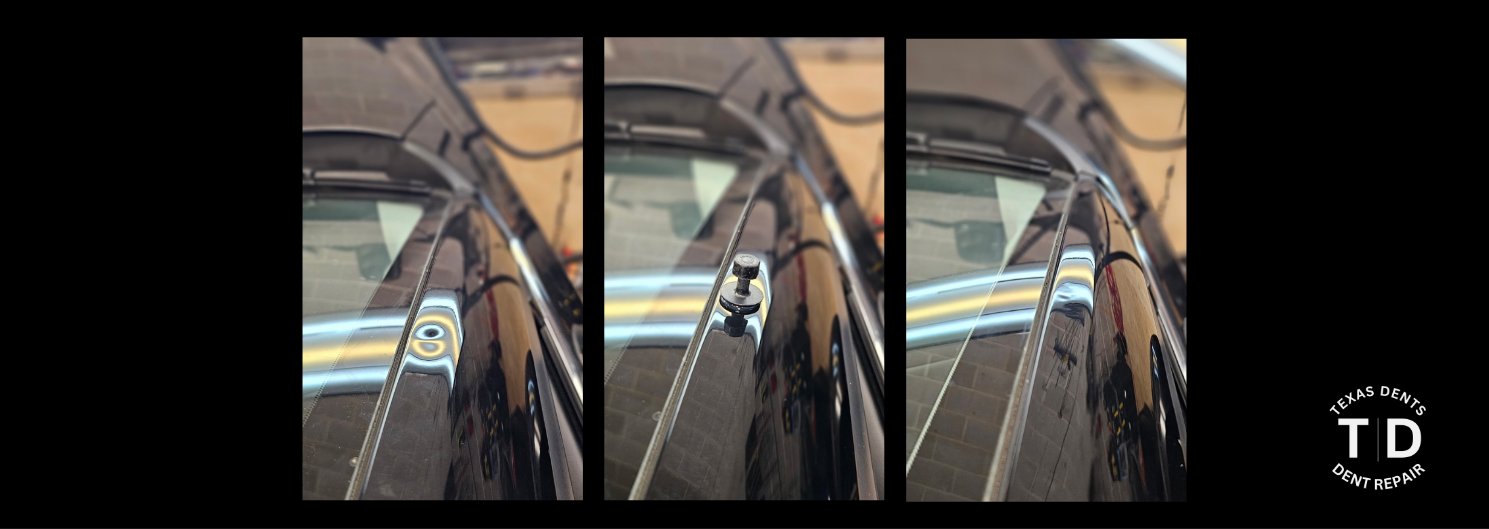
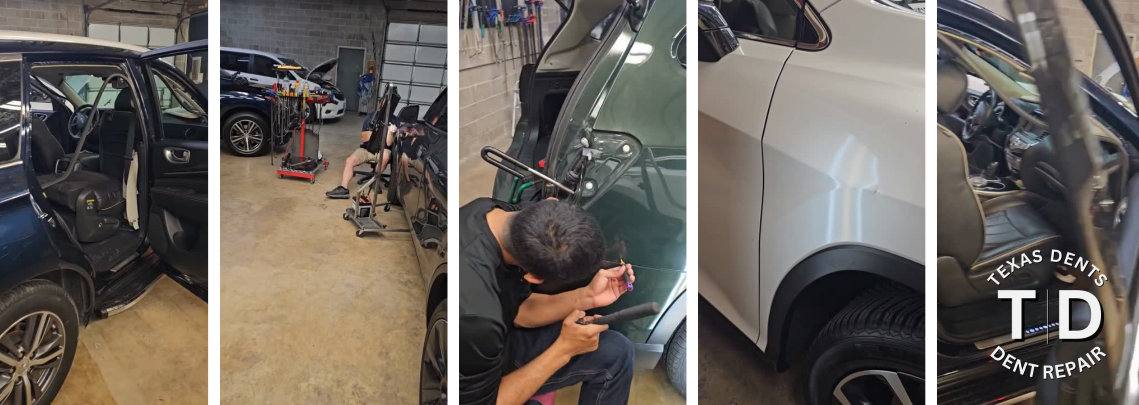
Texas Dents specializes in high-quality Paintless Dent Repair (PDR), proudly serving Austin, San Antonio, and Dallas with unmatched expertise and fast, affordable service. We restore vehicles to their original condition without the need for repainting, preserving their factory finish and value. We’re proud of our exceptional reviews, reflecting our unmatched reputation for quality and customer satisfaction. If your vehicle suffered hail damage in this storm, Texas Dents is the trusted choice for flawless repairs. We've been serving San Antonio area car dealerships for more than 15 years. Connect with us online for an estimate or you can call our San Antonio shop.
illustration of RAM truck showing dents, dings and scratches on door panels
By 7018892985 November 20, 2025
Even small dents can lead to big repair bills. Learn why regular body inspections and early paintless dent repair save Texas drivers time and money.
By 7018892985 November 11, 2025
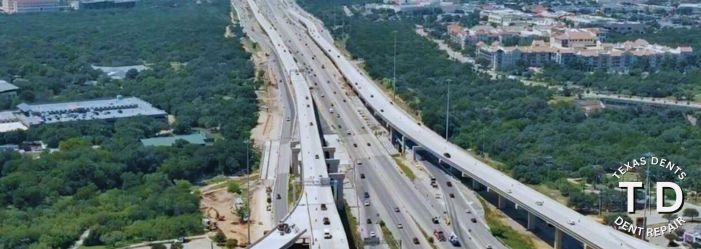
With major I-35 and Loop 1604 projects underway, small dents are inevitable. Discover how Texas Dents keeps Central Texas drivers dent-free with expert PDR.

Hail storm in Texas
By 7018892985 October 2, 2025
Discover how fall weather and tropical storms affect hail damage in Texas. Stay ahead with expert paintless dent repair in San Antonio & Dallas.
By 7018892985 September 3, 2025
When it comes to protecting your car’s value, appearance, and performance, choosing the right dent repair shop matters. Across Texas, Texas Dents has built its reputation as the trusted name in paintless dent repair (PDR), delivering precision results for dealerships and individual car owners alike. At the San Antonio location, customers enjoy not only expert craftsmanship but also a convenient and accessible facility at 401 Isom Road, Suite 500. With plenty of parking, a large and modern garage, and a team of skilled professionals, Texas Dents stands out as the go-to solution for hail damage, door dings, and all forms of non-invasive dent removal. A Prime San Antonio Location One of the standout benefits of the San Antonio shop is its prime location at 401 Isom Road, just minutes from the San Antonio International Airport and central thoroughfares like Loop 410 and Highway 281. This makes it easy for customers across the city—and even surrounding communities—to drop off their vehicles without hassle. Unlike crowded, hard-to-find repair shops tucked into strip malls or hidden behind dealerships, Texas Dents in San Antonio offers plenty of parking in both the front and back of the building, ensuring a smooth, stress-free visit. Whether you’re stopping by for an estimate or leaving your car for more extensive hail repair, accessibility is never an issue. State-of-the-Art Garage Our San Antonio shop features a large, beautiful garage space designed with efficiency and customer service in mind. Paintless dent repair requires precision, specialized lighting, and room to maneuver around vehicles. Texas Dents has invested in creating a professional environment where their technicians can work to the highest standards. Bright, well-lit garage ideal conditions for spotting and repairing dents Ample workspace ensures vehicles are handled with care and remain protected while repairs are underway Clean, modern facilities give customers peace of mind that their car is in good hands For dealerships, this kind of facility is especially important. Moving multiple cars in and out quickly, safely, and professionally is a top priority—and Texas Dents delivers. Why Dealerships Trust Texas Dents San Antonio dealerships have their pick of repair shops, but time and again they choose Texas Dents because of the company’s proven expertise, efficiency, and customer service. For dealerships, reputation and turnaround time are everything. Having a trusted partner like Texas Dents allows them to maintain high standards for their inventory and customer satisfaction. Benefits for Dealerships: Fast, high-volume service Texas Dents can handle multiple cars at once, helping dealerships restore hail-damaged fleets quickly. Consistent quality Every dent is repaired with the same precision and care, ensuring vehicles are lot-ready. No paint, no fillers Because PDR preserves the factory finish, dealerships avoid devaluing vehicles with repaint jobs. Professional partnership The Texas Dents team communicates clearly, delivers on deadlines, and ensures dealerships can keep their promises to buyers. For dealerships looking for reliability, Texas Dents is more than a repair shop—it’s a trusted extension of their business. Why Customers Choose Texas Dents For individual car owners, the decision to visit Texas Dents often comes after a frustrating moment: walking out to find their car covered in hail dents, spotting a door ding from a parking lot, or noticing minor body damage after a storm. These situations are stressful, but Texas Dents makes the process simple and reassuring. What Customers Love: Convenience The Isom Road location is easy to find, with parking available right in front of the shop. Expertise Skilled technicians use advanced tools and years of experience to restore vehicles to like-new condition. Value Because paintless dent repair preserves the original paint and panels, cars maintain their factory finish and resale value. Transparency Customers receive honest assessments and clear estimates—no surprises, no upselling. Advantages of Paintless Dent Repair Texas Dents specializes exclusively in PDR, which has become the gold standard for addressing hail and minor body damage. Unlike traditional body shop repairs, which often require sanding, body filler, and repainting, PDR works with the metal itself, gently massaging dents out from the inside. Key Benefits of PDR: Preserves the original paint finish Maintains vehicle value Faster turnaround times than traditional bodywork Environmentally friendly (no chemicals or paints used) Often covered by insurance for hail damage By focusing on this one highly specialized skill, Texas Dents has become a leader in the field, trusted by dealerships and individual customers across San Antonio. Frequently Asked Questions Where is Texas Dents located in San Antonio? Texas Dents is conveniently located at 401 Isom Road, Suite 500, San Antonio, TX 78216, near major highways and the San Antonio International Airport. Is there parking available at the shop? Yes. Customers enjoy plenty of parking in both the front and back of the building, making drop-offs and pick-ups simple. Why should I choose PDR over traditional dent repair? PDR preserves your vehicle’s original paint and finish, maintains resale value, and is usually quicker and less costly than traditional bodywork. Do dealerships really use Texas Dents? Absolutely. Many local dealerships trust Texas Dents for hail repair and dent removal because of their ability to handle high-volume work quickly and with consistent quality. Why Choose Texas Dents for Paintless Dent Removal At Texas Dents San Antonio, everything is designed with the customer in mind. From the convenient Isom Road location and ample parking to the spacious garage and skilled technicians, every detail reinforces their reputation as the trusted name in PDR. Dealerships rely on them to keep their inventory flawless, and individual customers count on them to restore peace of mind after hailstorms or everyday mishaps. If you’re searching for expert dent repair in San Antonio, look no further than Texas Dents. With a commitment to quality, convenience, and customer satisfaction, they’re not just repairing cars—they’re restoring confidence, one dent at a time. For dealerships, this kind of facility is especially important. Moving multiple cars in and out quickly, safely, and professionally is a top priority—and Texas Dents delivers.
By 7018892985 August 12, 2025
Discover the skill, training, and precision behind paintless dent repair in Texas. Learn why expert PDR techs often disassemble vehicles to restore dents flawlessly while preserving factory paint.
By 7018892985 July 1, 2025
Think your dent can't be fixed? Texas Dents specializes in fast, affordable paintless dent repair—even for the dents other shops won’t touch.
June 19, 2025
Let’s face it: no one gets through life without a few dents—and that goes for your car, too. Whether you're a brand-new driver or a seasoned road warrior, a surprise ding is practically a rite of passage. At Texas Dents, we’ve seen it all. And yes, they can fixed with PDR.
a collection of paintless dent repair tools for expert PDR in san antonio
By 7018892985 April 24, 2025
Contrary to what many believe, PDR is not just a “pop-it-out” job. And our friends who try it themselves at home with a kit they bought on eBay and a YouTube video know this to be true! Lol. It's A LOT harder than it looks. It requires finesse and years of hands-on training. We've worked on every kind of vehicle there is for nearly 20 years, so we have a deep understanding of vehicle anatomy that many PDR shops don't possess.
By 7018892985 April 1, 2025
On March 31, 2025, San Antonio experienced a severe thunderstorm that brought significant hail to various parts of the city. The storm developed rapidly over Medina County and moved southeast toward the SeaWorld area around 5:30 p.m. Residents were alerted to the potential for "ping-pong" sized hailstones, 60 mph winds and frequent lightning. ​ By 6:30 p.m. yesterday evening, the National Weather Service reported that the severe thunderstorm over San Antonio had weakened and was no longer considered severe. However, two strong thunderstorms remained in the area: one over the south side of San Antonio moving southeast at 30 mph, capable of heavy downpours, small hail, and strong wind gusts; and another near SeaWorld, moving southeast toward JBSA Lackland and Von Ormy, with potential for penny-sized hail and 45 mph wind gusts. These storms were expected to weaken over the next 1-2 hours, with rain likely ending for Bexar County by 7:30 p.m. ​ Ping-Pong Sized Hail Residents shared images and videos of the hail on social media platforms. For instance, KSAT Connect featured photos showing golf ball-sized hail in areas like Stevens High School and Culebra and Westover Hills. ​KENS5 and FoxSanAntonio posted pics and videos from nearby residents. Check out our Insta reel with some of the most compelling highlights ! The far west side of San Antonio, including the Loop 1604 and Potranco area, appeared to be among the hardest-hit regions. Videos captured heavy rain and quarter-sized hail, reducing visibility on neighborhood streets. ​ Despite the intensity of the storm, the rain-cooled air led to a pleasant evening, with temperatures dropping into the upper 60s to 70s. Looking ahead, scattered storms with minimal impact are possible over the upcoming weekend, with temperatures expected to range from the mid-80s to low 90s. Exploring Hail Formation Hail formation—especially the large hail San Antonio experienced—is a fascinating (and intense!) weather phenomenon tied closely to the strength of thunderstorms. Why did the hail form? Hail forms inside strong thunderstorm clouds—specifically cumulonimbus clouds—when there are powerful updrafts (rising currents of air). Here’s the science behind it: Supercooled Water Droplets High in the storm cloud, temperatures are well below freezing, and water droplets remain in a liquid state below 32°F. These are called supercooled droplets. Nucleus Formation These droplets latch onto particles (like dust or pollen) and start to freeze—this becomes the nucleus of a hailstone. Updrafts Strong winds within the thunderstorm carry the tiny frozen stones upward, where they encounter more supercooled droplets. Each time they go up, they grow in layers—like an onion. Hailstone Growth Cycle The up-and-down motion in the storm can happen multiple times. Each cycle adds more layers of ice, increasing the size of the hailstone. Gravity Wins Eventually, the hailstone becomes too heavy for the updraft to support, and it falls to the ground—sometimes at speeds over 90 mph! Why Was the Hail So Big? Several factors made this storm ideal for producing large hail in San Antonio: The strength of the thunderstorm determines how long hailstones stay aloft to grow Reports from the March 31 storm showed hail up to golf ball and ping-pong ball size—which means the updrafts were strong enough to keep those stones suspended through several growth cycles The atmosphere was very unstable—a sharp contrast between warm, moist air near the surface and cold air aloft This instability supercharged the storm, helping hailstones form quickly and grow large Plenty of moisture in the atmosphere (likely from Gulf moisture moving inland) provided a continuous source of supercooled water for hailstones to grow The storm likely had supercell characteristics, meaning it was rotating and well-organized Supercells are notorious for producing large hail due to their powerful updrafts and long lifespan How Meteorologists Knew It Was Coming Weather radar can detect hail with a feature called dual-polarization, which picks up irregular shapes and high reflectivity in storms. The National Weather Service issued alerts predicting ping-pong-sized hail due to those radar signatures and storm conditions. Why Choose Texas Dents for PDR Texas Dents specializes in high-quality Paintless Dent Repair (PDR), proudly serving Austin, San Antonio, and Dallas with unmatched expertise and fast, affordable service. We restore vehicles to their original condition without the need for repainting, preserving their factory finish and value. We’re proud of our exceptional reviews, reflecting our unmatched reputation for quality and customer satisfaction. If your vehicle suffered hail damage in this storm, Texas Dents is the trusted choice for flawless repairs. We've been serving San Antonio area car dealerships for more than 15 years. Connect with us online for an estimate or you can call our San Antonio shop .
By 7018892985 March 25, 2025
Hail season in Texas is almost here. Here's what you need to know about hail damage, PDR and a few fun facts about hailstones for all of you weather nerds.